So...wait, wasn't one of the biggest selling points of the (awful) Touch Bar on the latest MBP that it could use Touch ID? And a few months later they are moving away from that entirely?
> Trying to scare people into behavior does not work very well. The Catholic Church spent centuries threatening people with eternal hell if they had extra-marital sex, and people still had extra-marital sex. Studies have shown that abstinence only sex education results in more teen pregnancies. Thomas Malthus saw an impending famine and begged people to have fewer children. People did not listen.
How do you know it didn't work, unless you think the only way it could be evaluated as having "worked" is if there were zero extra-marital sex and children born out of wedlock? My sense is that this was at least partially effective in discouraging the behaviors you describe.
> What works is "magic science." A solution that allows people to behave the way hey do, and we come up with a solution that just works. Birth control has resulted in a decline in teen pregnancies and population stabilization where it is available. The green revolution is able to feed people, without most people having to do anything different in how they eat.
We don't have the necessary magical science. We cannot continue behaving the way we are and expect to reach a point where we can realistically develop it, we will die or decline significantly as a species well before then. Yes, we can feed more people now, but a big part of what's driving climate change is emissions and other side effects from that. Our current behaviors are killing us.
> The other thing is that people don't really think this is a true emergency. An evidence for this is the quote "What if global warming is wrong and we made the planet better?" If it is a true emergency, we should be doing stuff that make the planet worse if it is wrong.
This is a non-sequitur. If you are injured or ill and taken to an emergency room, most effective treatments will not automatically make you worse if the diagnosis is incorrect. In some extreme cases this is true, but taking your line of reasoning would mean that only in such cases would the situation be considered an emergency. We have many, many tools available to us to slow the problem at least and allow ourselves additional time to prepare and react, the problem is that we are not doing them.
My sense is that we will not really be able to address this as a species until we hit some of the disaster points described in the article. When 50k+ people in the US die several summers in a row simply from heat (expect that within a decade), then perhaps we'll take it more seriously. Unfortunately, it might legitimately be too late at that point to even adjust quickly enough.
Poor old Urbit! Learning curve so steep that nobody has the time to figure out that it's bollocks on its own terms, and they are obliged to dismiss it purely on the grounds of who it was created by.
Urbit is totally new to me, but from what I understand, the hierarchical identity layout and restricted address space are instant red flags for any distributed system. Oh, and the founders assert ownership over a non-trivial block of addresses.
Looking in from the outside, this looks like a fairly transparent attempt at bootstrapping a fiefdom: Create a type of digital "property", artificially restrict supply, reserve a huge chunk for yourself, and hope it becomes popular (making you "digital rich" and "digital powerful").
The funny thing is that, after dismissing criticism based on the creator and his politics, you just made a technical criticism that is basically reaches the exact same co conclusions about its intent and effects as are frequently made by those reasoning from the author's publicly stated political views (including those directly attached to Urbit docs before those were cleansed to make the product more commercially viable.)
Which is not to say you are wrong to prefer technical criticism, only that in this case the telegraphed political intent seems to match precisely the technical criticism.
Not speaking for the parent comment, but maybe the two aren't so inseparable after all. I would rather not immediately dismiss this project, since there are multiple contributors to it and it seems cruel to bash their hard work just because of Yarvin's presence. However, it seems like there definitely is a similarity between the product of the man and his ideology- especially the same inscrutable, esoteric, unconventional nature.
Is that really so surprising? The same biases and assumptions that influence our software must surely influence our politics. It's all systems design, after all.
I think the rendering is horrible too, with plenty of colour fringing and unevenness.
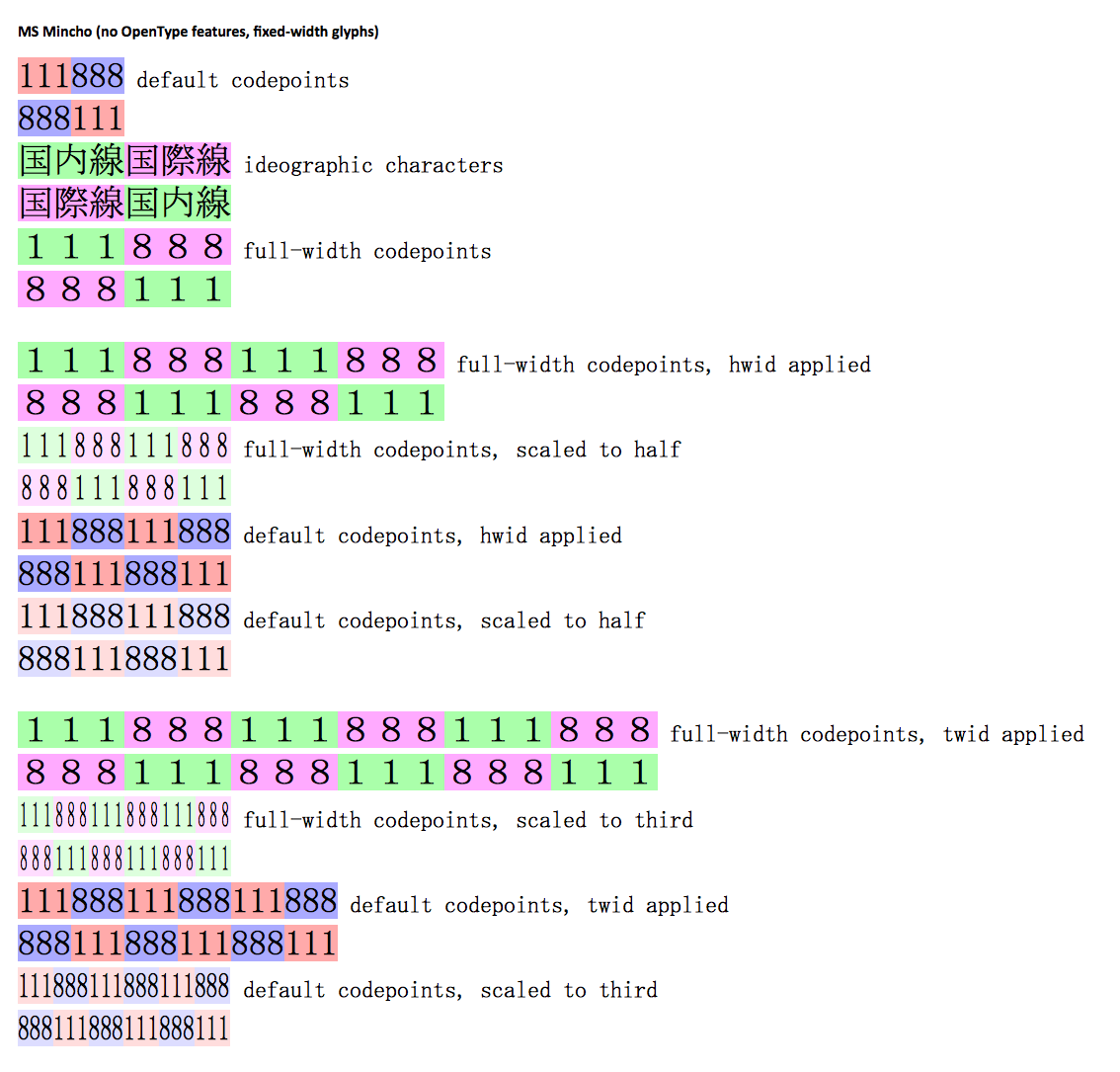
The monospace font reminds me of the generic "Asian product manual font" - although the individual shapes are slightly different, it has a similar feeling to MS Mincho:
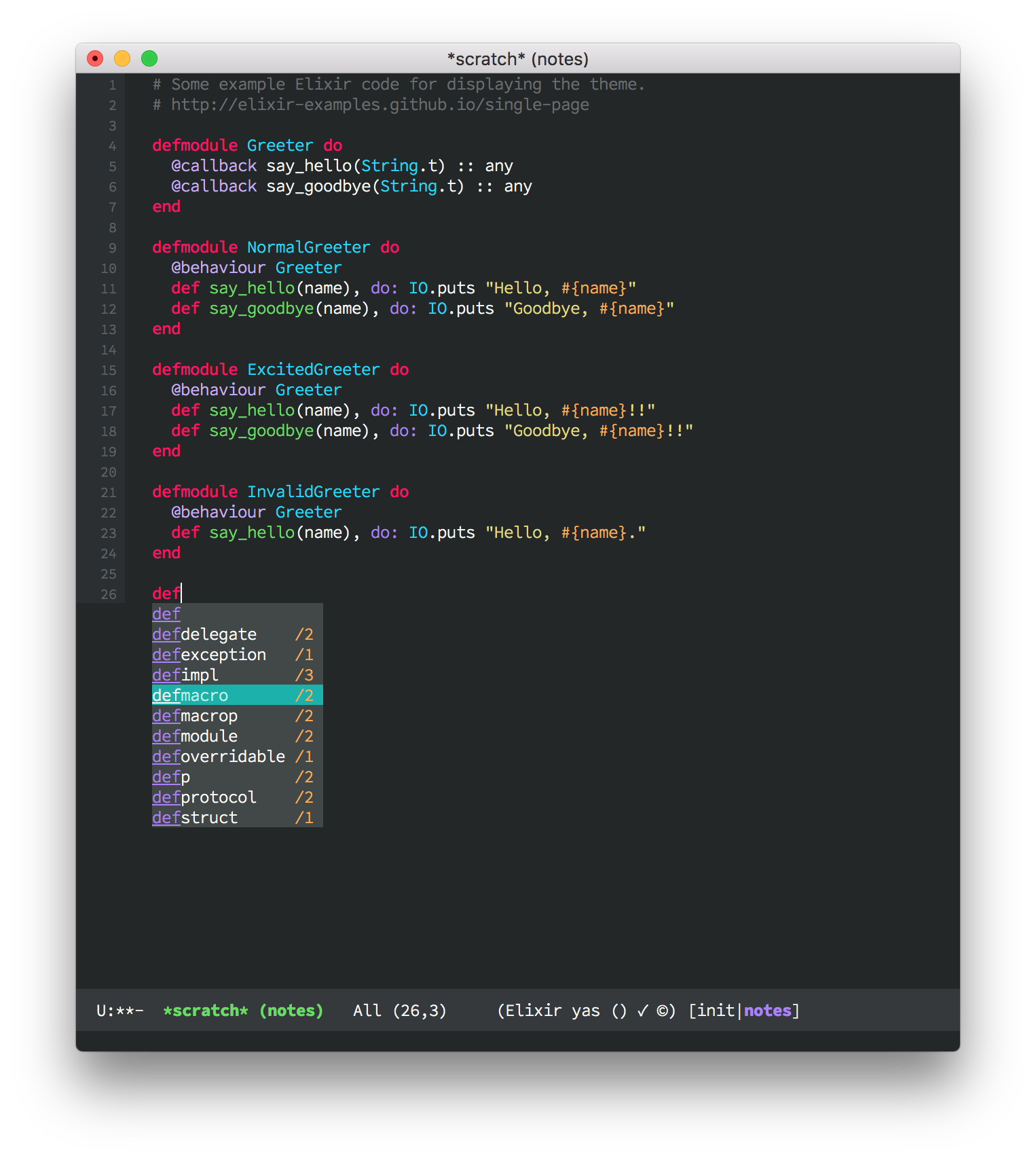
The monospace is kind of okay, I guess, but considering the competition there's nothing special about it. Many users will be coding with colour keyword support anyway, so the idea that it's going to be super-great for Go code is strange.
I found the proportional font really hard to read.
It's a pity when newer typefaces don't have lighter weights — they look far better on high resolution displays than normal/regular weights, which look almost bold.
It's a matter of personal opinion of cause, but I find it extremely easy on the eyes. Some one else posted a screenshot with some code displayed using the Go font, and it's extremely readable, to me at least.
I love serifs and haven't found a good monospaced serif font yet. This one looks good but has some minor bugs like spacing and * not being centered vertically for the times you write OCaml or C comments. I'm trying it out anyway because I've been missing serifs in my terminal and editor for too long.
...just months after TC seemingly can't run itself out of breath highlighting and hyping up all these same companies enough. Constant fanfare or doom, all hyperbole, nothing in between or representative of reality which is somewhere in the far less exciting middle.


What an odd thing to take away from that statement.