Its goal is to accelerate the development of agency-increasing neurotechnology and lower the barrier of entry for any developers to be able to solve open problems in neurotech without having to have their own hardware or human subjects. It's starting with ultrasound, which we find quite promising, and we hope to expand in the future to other areas as well.
I suspect treating screen use as "treats" may not be ideal.
I also have a 2 year old son and am very curious about this.
It's tough, because I do know whatever I do won't be ideal, and we won't know till later when we learn more about how our brains work what we really should be doing with regards to screen use by kids.
And, at the same time, things are accelerating fast, so there's a decent chance tech is totally different by the time our children are in high school, or even elementary school.
I think that in an ideal world, we'd all use technology all the time and it'd be a natural extension of ourselves letting us be fuller versions of ourselves and more present with each other. It's a shame we're not in that world yet, and I'm hopeful that as we get richer humanity starts designing tech to be more agency increasing with this target in mind rather than losing agency to shorter term incentives.
With our 2 year old, I think the highest impact thing we do is try to strict about being present with him and not on our phones. I suspect this might be much more important than whatever rules are established for a child's own use of technology.
"treat" in the sense of it being a high sugar, high dopamine thing I want to avoid my children getting too used to. Not in the sense of giving something for good deeds.
Thinking about it, the concept of treat is more fitting for the parents than the kid.
When NFTs were hot, we made one that was intentionally tasteless thinking that it could raise awareness for people to donate to effective charities (pretending it was NFTs for needy children, but actually the proceeds from NFTs would go to the Against Malaria Foundation), but never could really get the whole thing right so decided not to launch it.
If anyone has an idea to actually execute that original idea right and do some good net net, here's the website: https://nftsforstarvingchildren.com/
I think the best thing is to do more research to understand more rather than rejecting the scientific method entirely. It has and will continue to get better and better over time, with occasional regressions that may seem meaningful in the short term but are tiny blips when you zoom out. The history of science is one false theory being replaced by another that’s (usually) marginally closer to the truth.
So someone does a single dubious research, and we follow with 3 more dubious researches to justify the first research. For each of these 3 dubious researches we have to do 3 more to ensure their credibility. And the number of researches grows exponentially while the research quality doesn't improve at all.
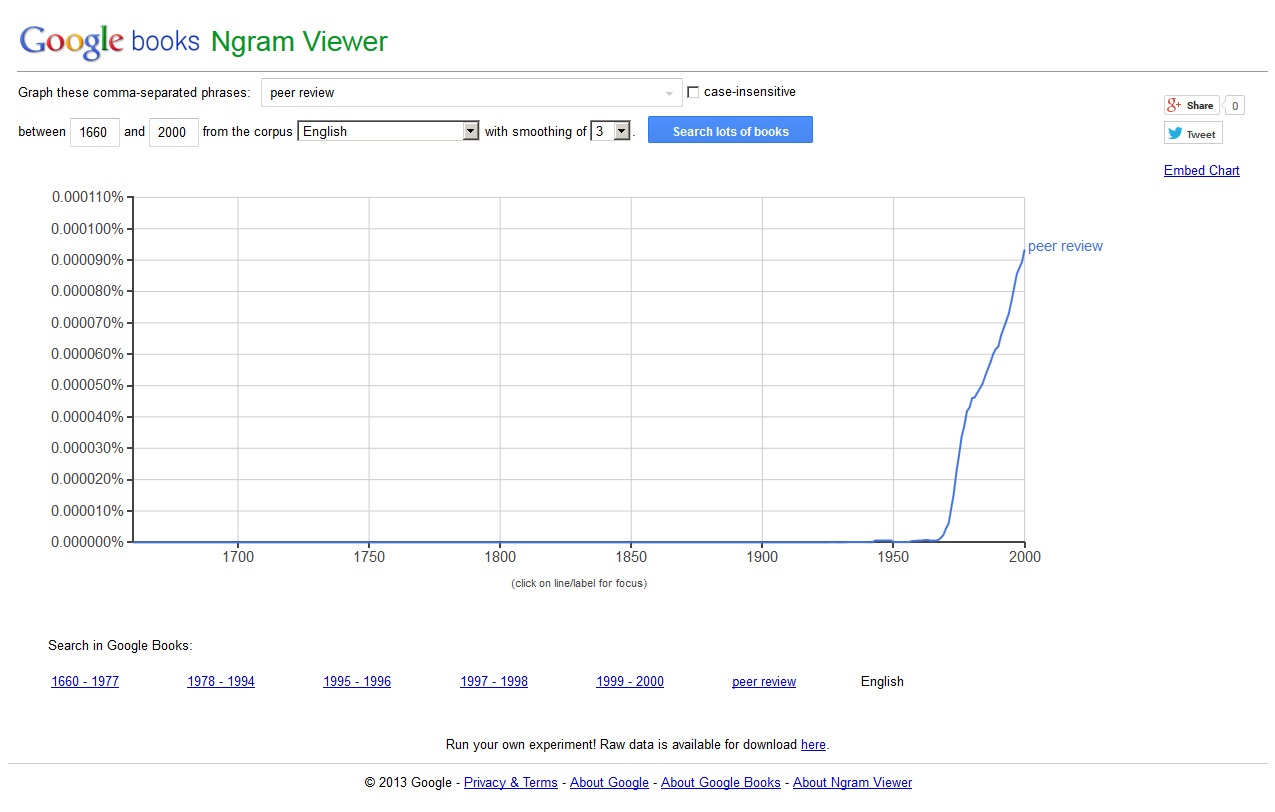
peer review only really took off in the last few decades and it has been a disaster. Nothing about my post says anything about the scientific method, it's about sham fields that lack rigor and use cartels of influence to push each others pet theories to support their own ideologies.
but looking at the criticism and history sections of the wikipedia page will cover it in more detail. It basically promotes gatekeeping and group think, as seen with the Alzheimer's research issue which wasted billions of dollars and slowed progress by decades via effectively an academic cartel. Funding becoming tied to publication which relies on peer review made things worse
"Brokerage customers who opt in to the brokerage cash sweep program (the IntraFiNetwork Deposit (IND) Sweep Service), will have their uninvested brokerage account cash automatically “swept” or moved into deposits at a network of program banks. There are currently six program banks that participate in our brokerage cash sweep program. Cash deposited to these banks will be eligible for FDIC insurance up to a total maximum of up to $1.5 million (up to $250,000 per program bank, inclusive of deposits you may already hold at the bank in the same ownership capacity). While the FDIC insurance coverage limit at each bank is $250,000, $2,000 is reserved for accrued interest."
For the record, that's not what the article is saying.
A better TL;DR might be:
There's a success sequence which makes people not be poor (97% effective) regardless of IQ. Elites hide this sequence from the masses perhaps because they believe it will make more people blame people for being poor. The article argues that the success sequence is easy enough that substantially more people would complete it and live better lives if they were made aware of it, and especially if it were tied more to social status rather than other things being tied to social status which decrease their probability of success in life.
There is a difference in betting against Elon Musk and betting against Tesla. Tesla's stock price has been hyped up for a long time now. It all depends on FSD and that isn't going too well so far.


Its goal is to accelerate the development of agency-increasing neurotechnology and lower the barrier of entry for any developers to be able to solve open problems in neurotech without having to have their own hardware or human subjects. It's starting with ultrasound, which we find quite promising, and we hope to expand in the future to other areas as well.